 US & Canada:
  Email:


 Access IFU & SDS
Summary & Explanation
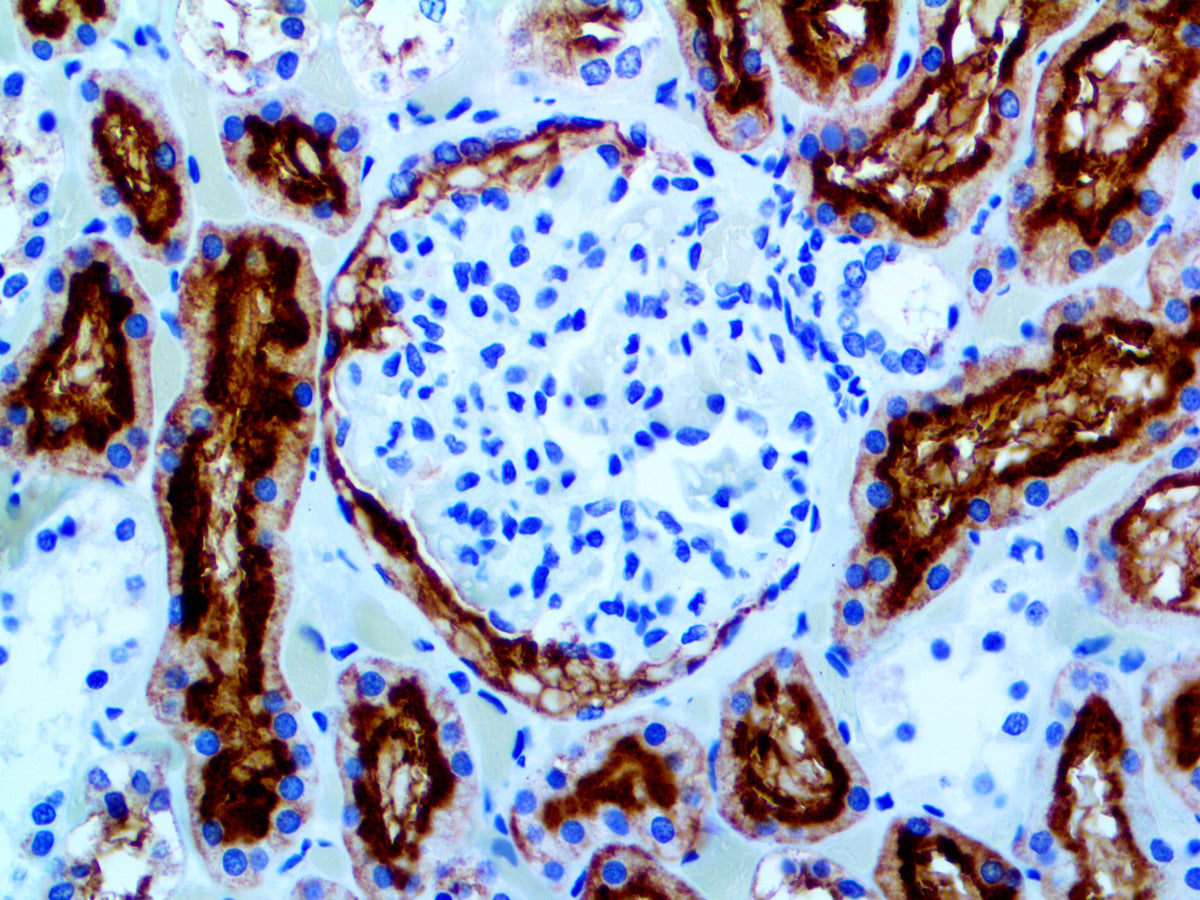
{"type":"root","children":[{"type":"paragraph","children":[{"type":"text","value":"P-glycoprotein 1, also known as multidrug resistance protein 1 (MDR1) or ATP-binding cassette sub-family B member 1 (ABCB1) or cluster of differentiation 243 (CD243), functions as an energy-dependent efflux pump for structurally diverse agents ranging from ions to peptides. It is implicated in the development of the"}]},{"type":"paragraph","children":[{"type":"text","value":"multiple drug resistance phenomenon observed in human cancer cells following prolonged chemotherapy. The classic form of multiple drug resistance is associated with an increase in the MDR protein, but not in all cases. MDR-1 is an apical transmembrane protein that is an integral part of the blood-brain barrier and functions as a drug transport pump that transports a variety of drugs from the brain back into the blood."}]},{"type":"paragraph","children":[{"type":"text","value":"MDR-1 is extensively distributed and expressed in the intestinal epithelium, hepatocytes, renal proximal tubular cells, adrenal gland and capillary endothelial cells comprising the blood-brain and blood-testis barrier."}]}]}
Antibody Type
Mouse Monoclonal
Clone
JSB-1
Isotype
IgG1
Localization
Cytoplasmic
Dilution
1:25-1:100
Species Reactivity
Human
Immunogen
Multidrug-resistant Chinese hamster ovary cell line (CHrC5).