 US & Canada:
  Email:


 Access IFU & SDS
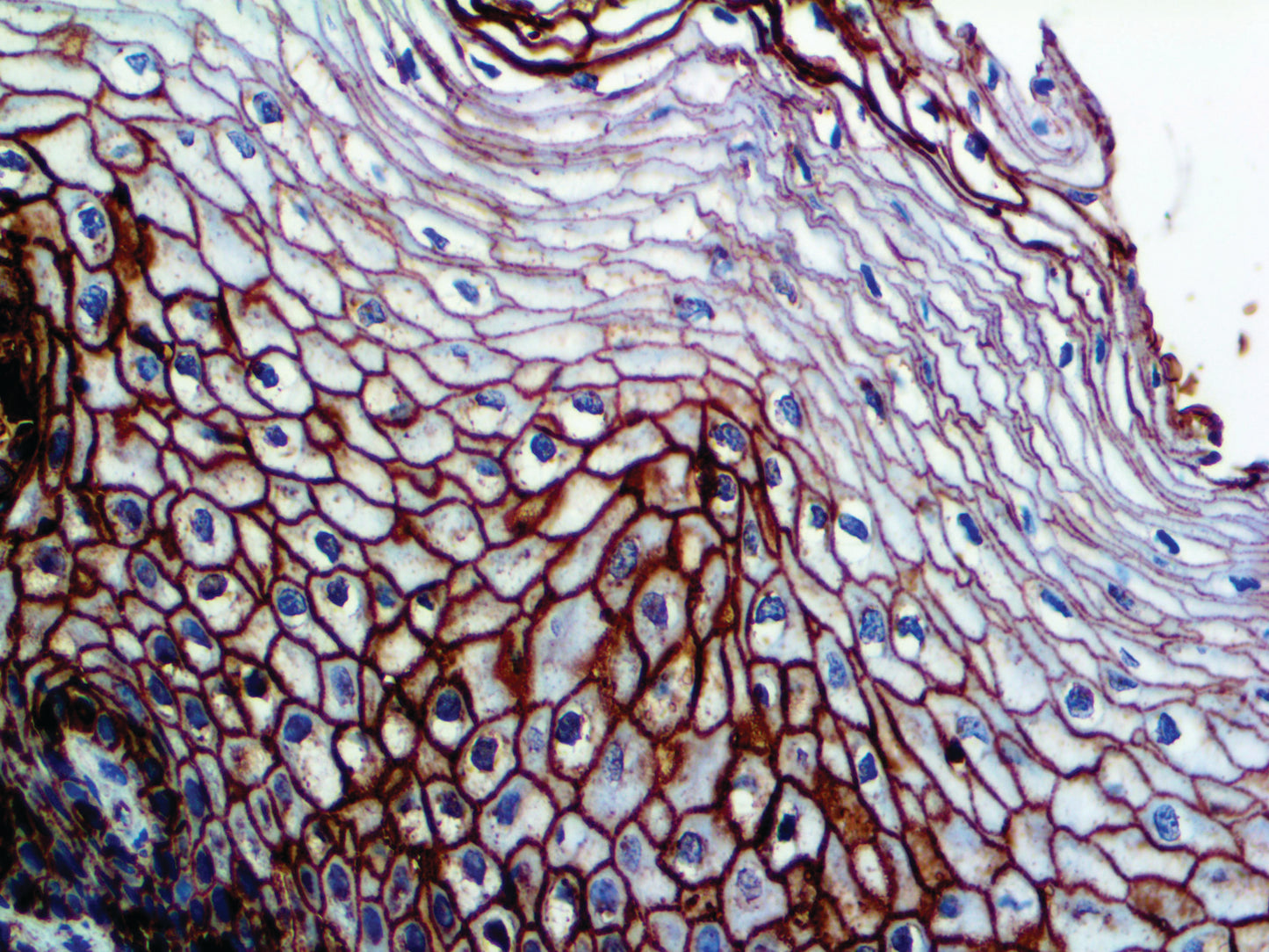
Summary & Explanation
{"type":"root","children":[{"type":"paragraph","children":[{"type":"text","value":"GLUT1 facilitates the transport of glucose across the plasma membranes of mammalian cells. Energy-yielding metabolism in erythrocytes depends on a constant supply of glucose from blood plasma. Glucose enters the erythrocyte by facilitated diffusion via a specific glucose transporter, at a rate about 50,000 times greater than uncatalyzed transmembrane diffusion. GLUT1 is a type III integral protein with 12 hydrophobic segments, each of which is believed to form a membrane-spanning helix. It is responsible for the low-level of basal glucose uptake required to sustain respiration in all cells. GLUT1 is also a major receptor for the uptake of Vitamin C as well as glucose."}]},{"type":"paragraph","children":[{"type":"text","value":"GLUT1 is expressed at variable levels in many human tissues. Overexpression of GLUT1 has been linked to tumor progression or poor survival of patients with carcinomas of the colon, breast, cervix, lung, bladder and mesothelioma. It can be used to distinguish between malignant mesothelioma (positive) from reactive mesothelium (negative)."}]}]}
Antibody Type
Rabbit Monoclonal
Clone
EP141
Isotype
IgG
Localization
Membranous
Dilution
1:50-1:200
Species Reactivity
Human, Predicted: Mouse, Rat
Immunogen
A synthetic peptide corresponding to residues of human Glut-1 protein.