 US & Canada:
  Email:


 Access IFU & SDS
Summary & Explanation
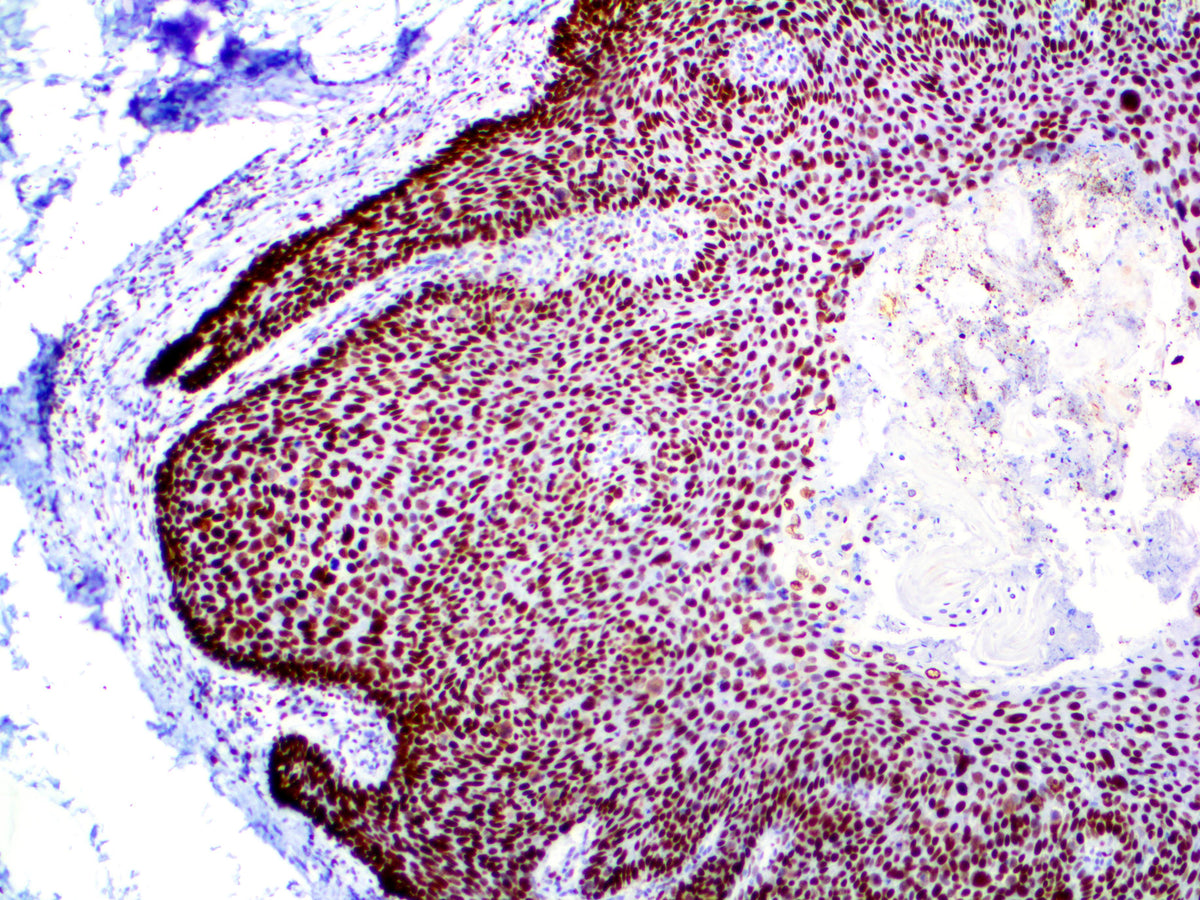
{"type":"root","children":[{"type":"paragraph","children":[{"type":"text","value":"MCM-2 (mini-chromosome maintenance 2) is a human gene. The protein encoded by this gene is one of the highly conserved mini-chromosome maintenance proteins (MCM) that is involved in the initiation of eukaryotic genome replication. The hexameric protein complex formed by MCM proteins is a key component of the pre-replication complex, and may be involved in the formation of replication forks and in the recruitment of other DNA replication related proteins. This protein forms a complex with MCM-4, 6, and 7, and has been shown to regulate the helicase activity of the complex. This protein is phosphorylated, and thus regulated by protein kinases CDC2 and CDC7. MCM-2 is essential for eukaryotic DNA replication and drives the formation of prereplicative complexes, which is the key first step during the G1 phase. Therefore, altered MCM-2 expression may be a hallmark of cell-cycle deregulation, which could be the most essential mechanism in the development and progression of human cancers. MCM2 has been identified by DNA microarray and transcriptional profiling as a gene that is overexpressed in Cervical Carcinomas. This protein is overexpressed in Cervical Dysplasia as a result of HPV infection. The over-expression of\n MCM-2 provides the link between oncogenic HPV infection and the molecular event of Cervical Dysplasia."}]}]}
Antibody Type
Rabbit Monoclonal
Clone
RBT-MCM2
Isotype
IgG
Localization
Nuclear
Dilution
1:100-1:500
Species Reactivity
Human
Immunogen
Synthetic peptide corresponding to residues of human MCM2 protein