 US & Canada:
  Email:


 Access IFU & SDS
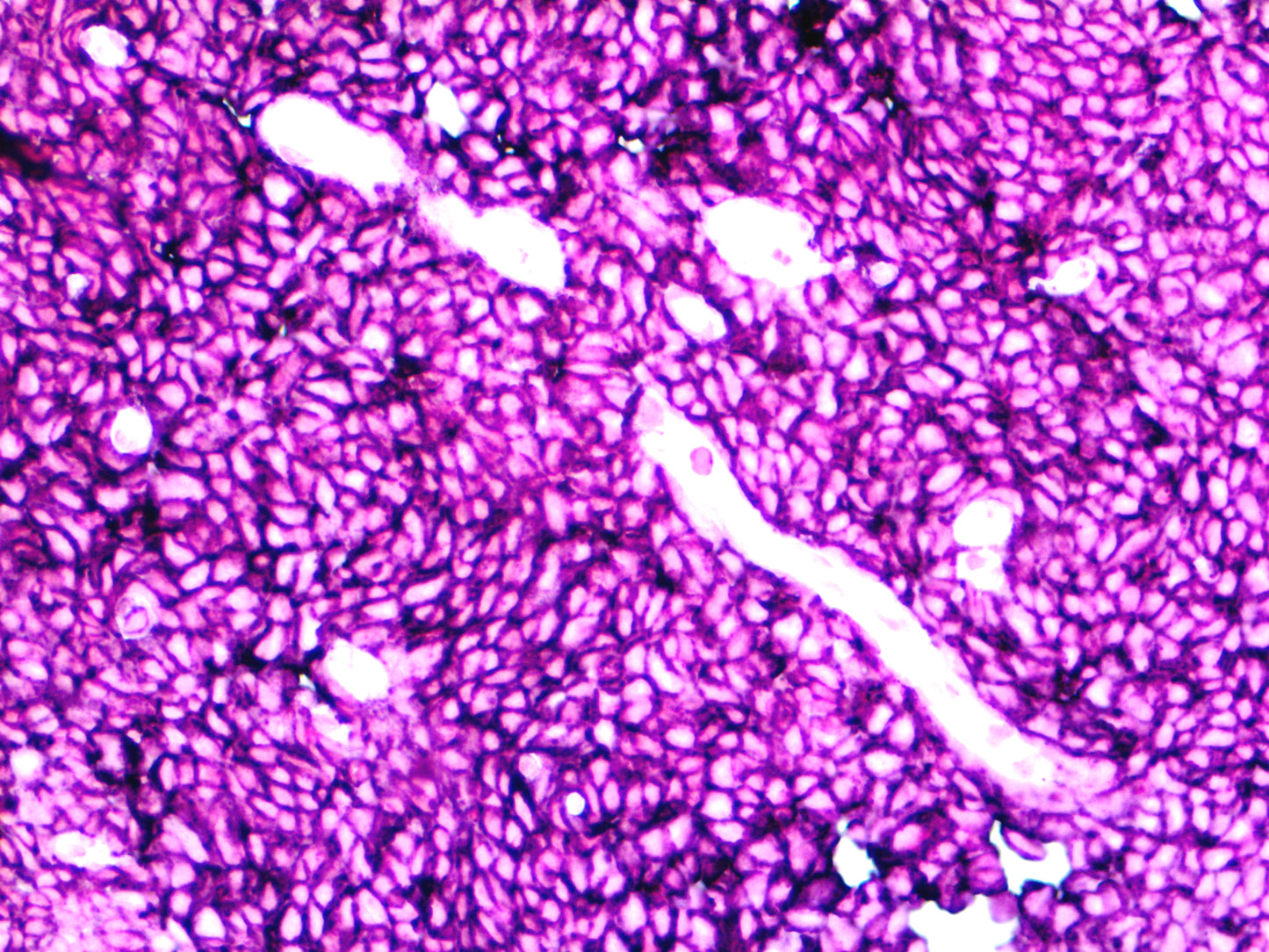
Summary & Explanation
{"type":"root","children":[{"type":"paragraph","children":[{"type":"text","value":"The CD45 antigen is a protein which was originally called Leukocyte Common Antigen. It is a Type I transmembrane protein which is in various forms present on all differentiated hematopoietic cells except erythrocytes and assists in the activation of those cells (a form of co-stimulation). It is expressed in Lymphomas, B-cell Chronic Lymphocytic Leukemia, Hairy Cell Leukemia, and Acute Non-lymphocytic\n Leukemia."}]},{"type":"paragraph","children":[{"type":"text","value":"CD45 is a monoclonal antibody that is routinely used to aid in the differential diagnosis of undifferentiated neoplasms, whenever malignant Lymphoma is suspected by the morphological or clinical data. It is a highly specific antibody; thus, a positive result is highly indicative of lymphoid or myeloid origin. Certain types of lymphoid neoplasms may lack CD45 (Hodgkin’s Disease, some T-cell Lymphomas and some Leukemias) so its absence does not rule out a hematolymphoid tumor. This antibody is exclusively expressed by cells of hematopoietic lineage and is present in most benign and malignant lymphocytes, erythrocytes and plasma cell precursors."}]}]}
Antibody Type
Mouse Monoclonal
Clone
2B11 & PD7\26
Isotype
IgG1/K
Localization
Membranous
Dilution
1:250-1:1000
Species Reactivity
Human
Immunogen
PD7/26/16: human peripheral blood lymphocytes maintained in T cell growth factor and 2B11: isolated neoplastic cells from T cell lymphoma.