 US & Canada:
  Email:


 Access IFU & SDS
Summary & Explanation
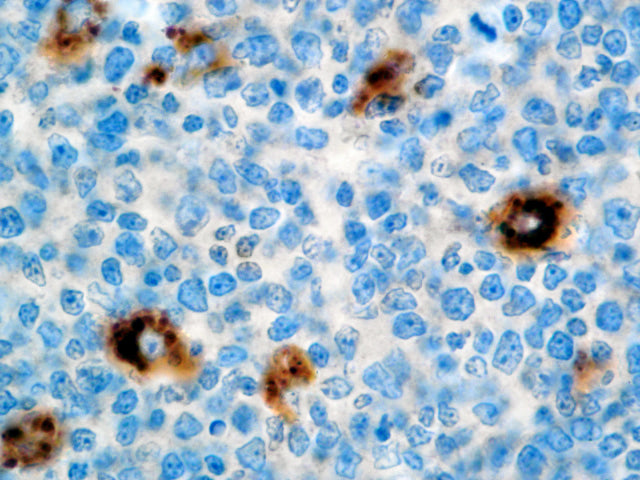
{"type":"root","children":[{"type":"paragraph","children":[{"type":"text","value":"Alpha-1-Antitrypsin (A1AT) is a glycoprotein generally known as serum trypsin inhibitor. Alpha-1-Antitrypsin is also referred to as alpha-1 proteinase inhibitor (A1PI) because it is a serine protease inhibitor (serpin), inhibiting a wide variety of proteases. It protects tissues from enzymes of inflammatory cells, especially\n elastase, and has a reference range in blood of 1.5 - 3.5 gram/liter (in the U.S. the reference range is generally expressed as mg/dL or micromoles), but the concentration can rise many fold upon acute inflammation. In its absence, elastase is free to break down elastin, which contributes to the elasticity of the lungs, resulting in\n respiratory complications such as emphysema, or COPD (Chronic Obstructive Pulmonary Disease) in adults and cirrhosis in adults or children."}]},{"type":"paragraph","children":[{"type":"text","value":"Alpha-1-Antitrypsin is considered to be very useful in the study of inherited AAT deficiency, benign and Malignant Hepatic Tumors and Yolk-Sac Carcinomas. Positive staining for A-1-Antitrypsin may also be used in detection of benign and malignant lesions of a histiocytic nature. Sensitivity and specificity of the results have made this antibody a useful tool in the screening of patients with Cryptogenic Cirrhosis or other forms of liver disease with portal fibrosis of unknown etiology."}]}]}
Antibody Type
Rabbit Polyclonal
Clone
Polyclonal
Isotype
IgG
Localization
Cytoplasmic
Dilution
1:250-1:1000
Species Reactivity
Human
Immunogen
Purified human Alpha-1-Antitrypsin.