 US & Canada:
  Email:


 Access IFU & SDS
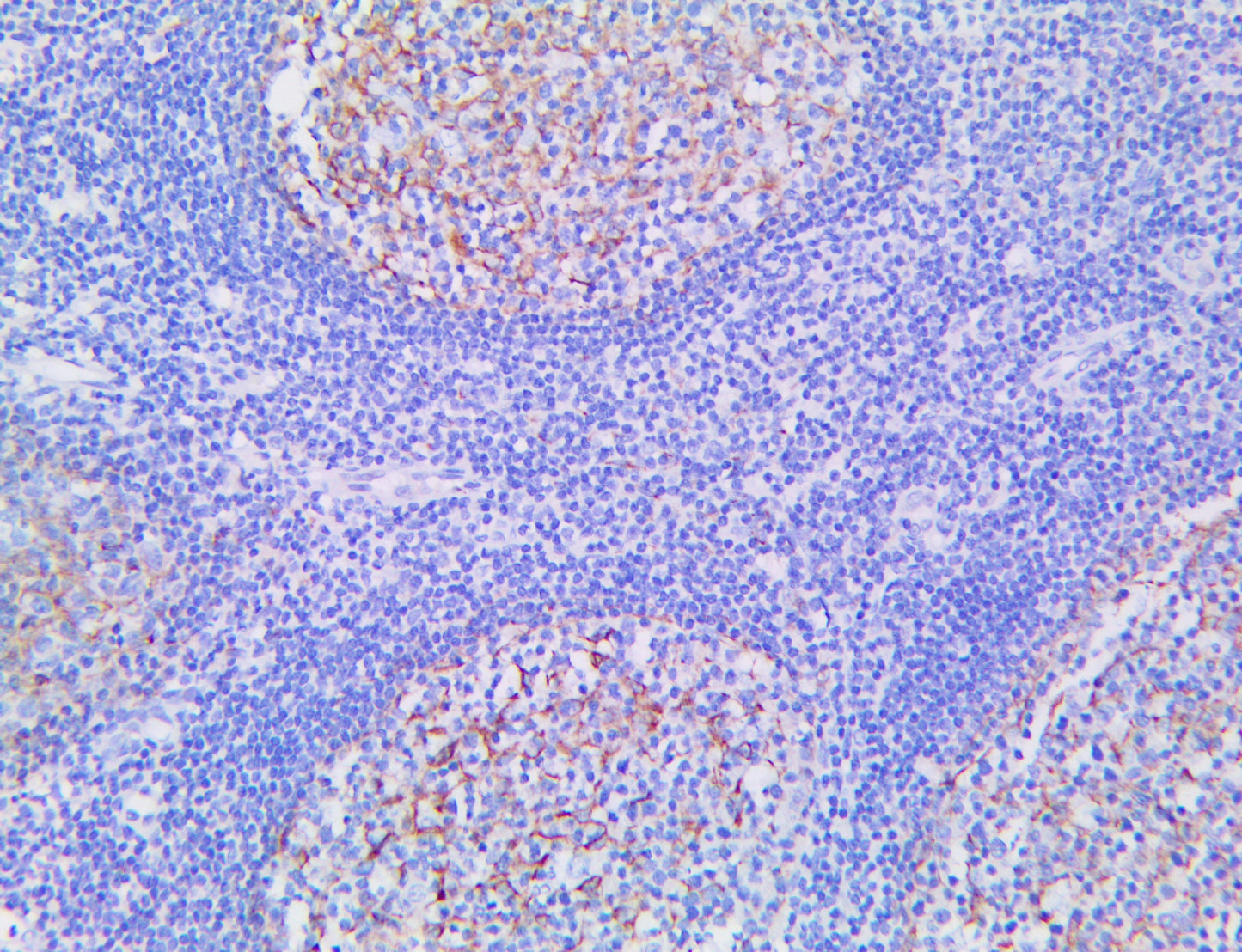
Summary & Explanation
{"type":"root","children":[{"type":"paragraph","children":[{"type":"text","value":"The Clusterin protein, also known as Apolipoprotein J, is a 75-80 kDa disulfide-linked heterodimeric protein containing about 30% of N-linked carbohydrate rich in sialic acid. It is a stress-induced cytoprotective chaperone protein regulated by HSF1 and functions similarly to a small heat-shock protein. Clusterin is distributed widely in human tissues and fluids, including normal epithelial cells, plasma, cerebrospinal fluid, breast milk, semen and urine. Clusterin has been implicated in a variety of activities including programmed cell death, regulation of complement mediated cell lysis, membrane recycling, cell-cell adhesion, and src induced transformation. As part of the attack complex of complement, it acts as a complement inhibitor.\n Clusterin is expressed in a wide variety of hematopoietic and non-hematopoietic tumors. Overexpression of Clusterin is associated with poor prognosis in breast cancer and chemosensitivity in cervical cancer."}]}]}
Antibody Type
Rabbit Monoclonal
Clone
RM437
Isotype
IgG
Localization
Cytoplasmic
Dilution
1:25 - 1:100
Species Reactivity
Human
Immunogen
A peptide corresponding to the C-terminus of Clusterin.