 US & Canada:
  Email:


 Access IFU & SDS
Summary & Explanation
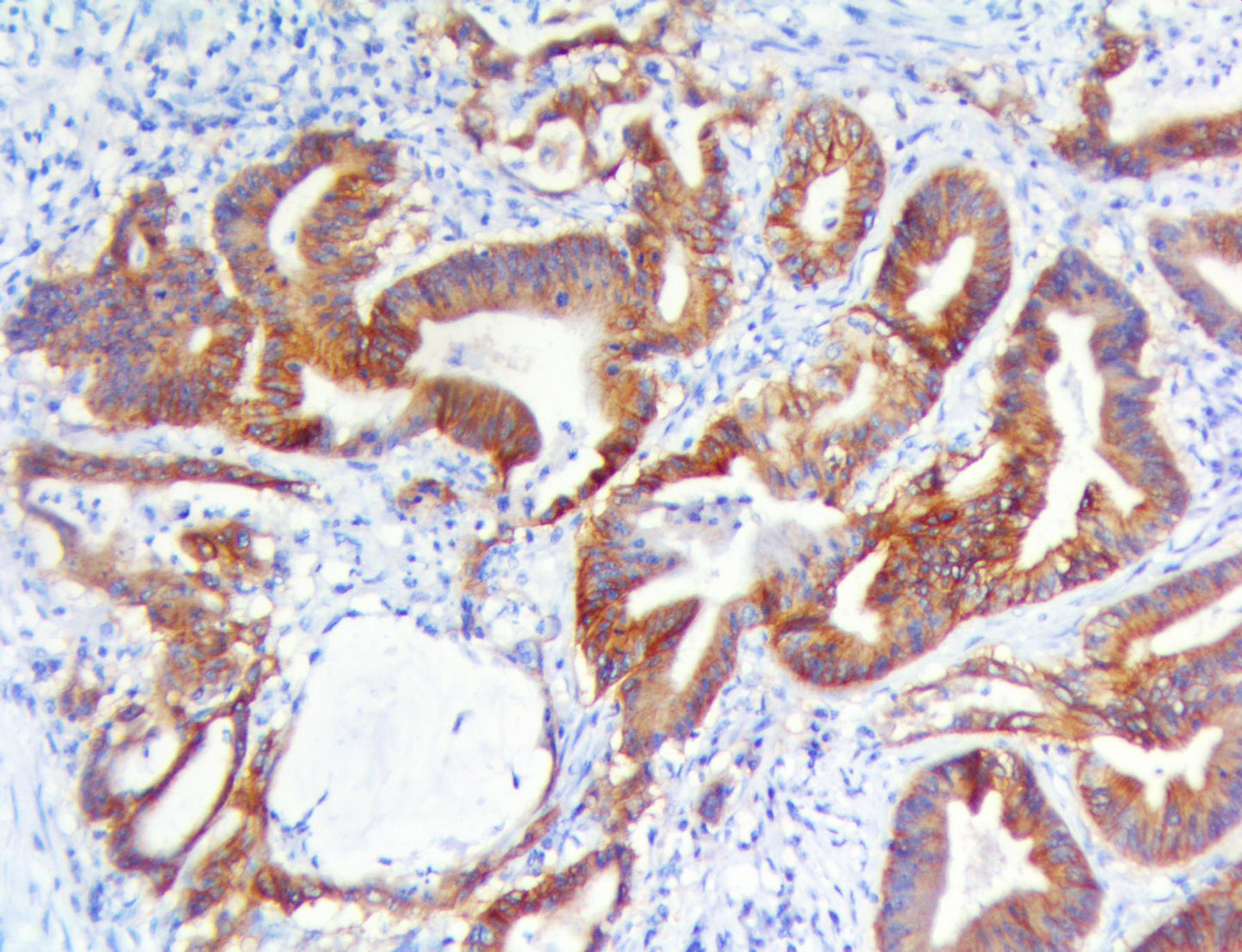
{"type":"root","children":[{"type":"paragraph","children":[{"type":"text","value":"MET is a proto-oncogene that encodes hepatocyte growth factor receptor (HGFR). The c-Met/HGFR protein possesses tyrosinase-kinase activity and is a membrane receptor essential for embryonic development and wound healing, with its only known ligand being hepatocyte growth factor (HGF). Upon HGF stimulation, MET induces several biological responses that collectively give rise to a program known as invasive growth."}]},{"type":"paragraph","children":[{"type":"text","value":"The c-Met protein is deregulated in many types of human malignancies, including cancers of kidney, liver, stomach, breast, and brain. Normally, only stem cells and progenitor cells express the MET gene, which allows these cells to grow invasively in order to generate new tissues in an embryo or regenerate damaged tissues in an adult. However, cancer stem cells are thought to hijack the ability to express the MET gene, and thus become the cause of cancer persistence and spread to other sites in the body (metastasis)."}]}]}
Antibody Type
Rabbit Monoclonal
Clone
RBT-c-Met/HGFR
Isotype
IgG
Localization
Cytoplasmic, Membranous
Dilution
1:10-1:50
Species Reactivity
Human
Immunogen
A synthetic peptide corresponding to residues near the carboxy terminus of human Met protein.