 US & Canada:
  Email:


 Access IFU & SDS
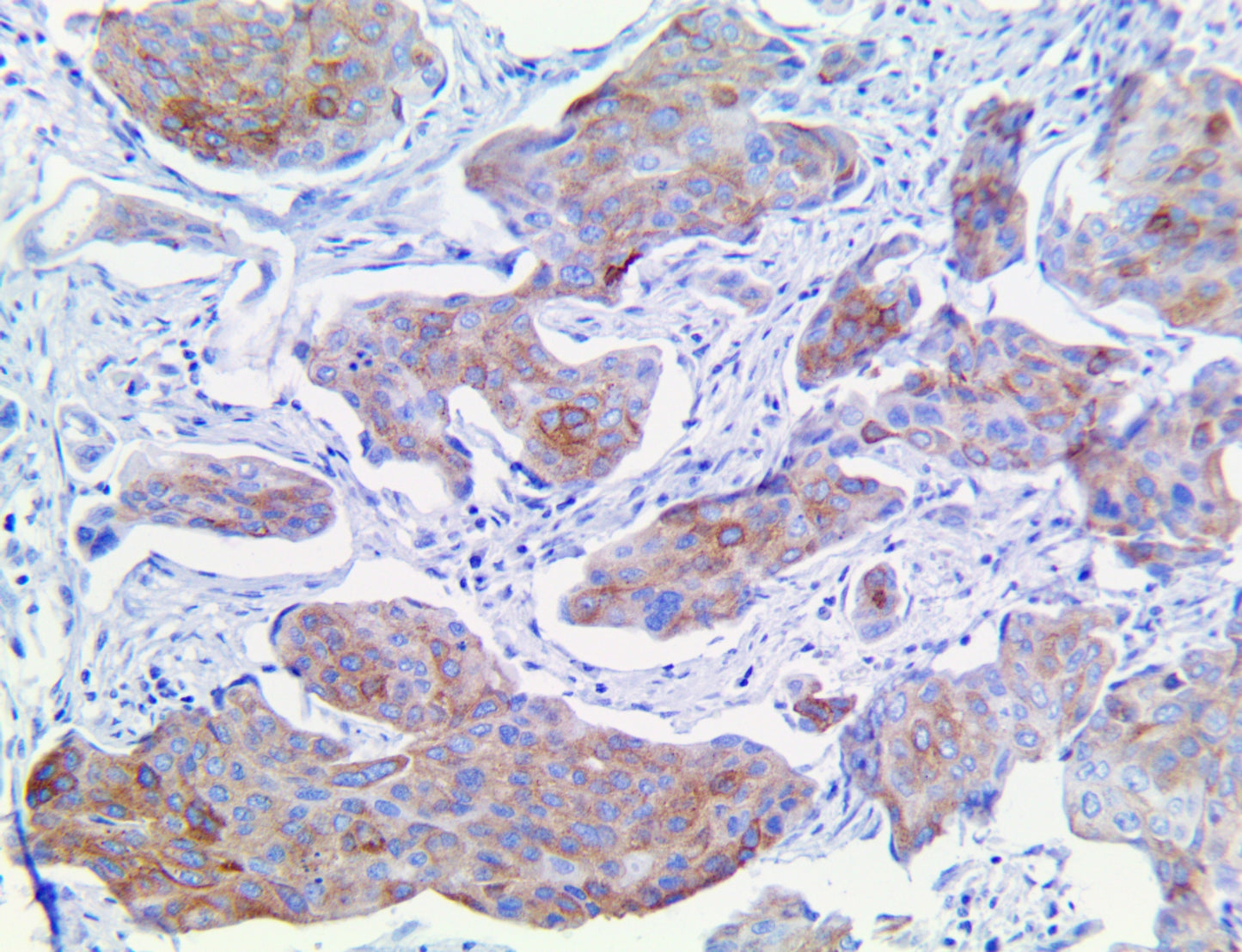
Summary & Explanation
{"type":"root","children":[{"type":"paragraph","children":[{"type":"text","value":"The FGFR3 gene encodes the protein Fibroblast Growth Factor Receptor 3 (FGFR3), part of a family of four fibroblast growth factor receptors that share similar structures and functions. These proteins play a role in several important cellular processes, including regulation of cell growth and proliferation, determination of cell type, angiogenesis, wound healing, and embryo development."}]},{"type":"paragraph","children":[{"type":"text","value":"Approximately 80% of Non-Muscle Invasive Bladder Cancer (NMIBC) tumors have FGFR3 gene mutations. In addition to high prevalence in Bladder Cancer, somatic mutations in the FGFR3 gene have been associated with Multiple Myeloma and Cervical Cancer. FGFR3 gene aberrations have also been reported in Urothelial, Breast, Head/Neck, Lung, Brain, Gastric, Pancreatic, Colorectal, Kidney, Endometrial, Ovarian, and Cervical Cancers. FGFR3, which is highly expressed in Cutaneous Malignant Melanoma (CMM) tissues, is correlated with increased Breslow thickness and lymph node metastasis."}]}]}
Antibody Type
Mouse Monoclonal
Clone
BSB-150
Isotype
IgG2a
Localization
Cytoplasmic, Membranous
Dilution
1:25-1:100
Species Reactivity
Human
Immunogen
Synthetic peptide corresponding to the N-terminus of the human FGFR-3 protein.