 US & Canada:
  Email:


 Access IFU & SDS
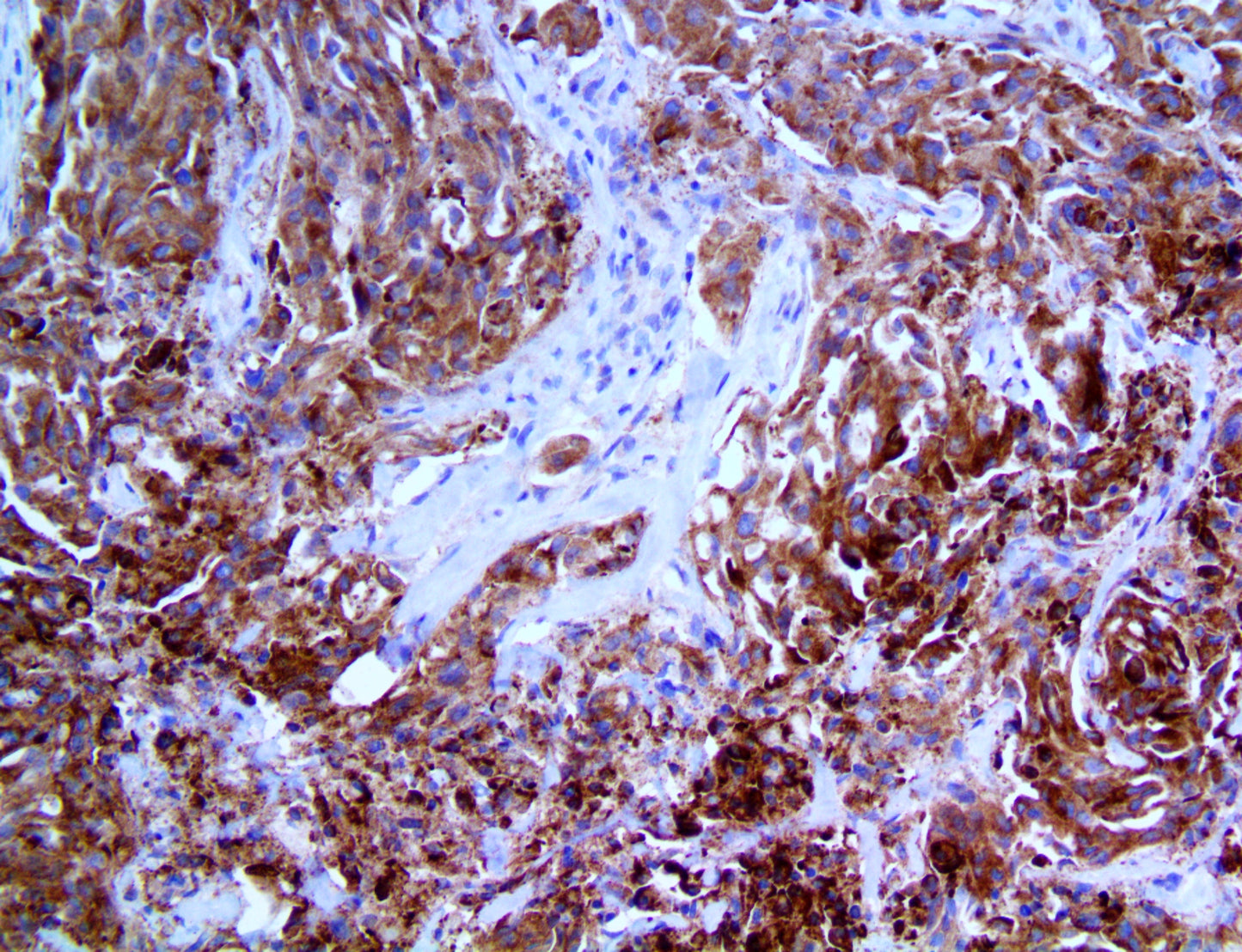
Summary & Explanation
{"type":"root","children":[{"type":"paragraph","children":[{"type":"text","value":"ROS1 (ROS Proto-Oncogene 1, Receptor Tyrosine Kinase) is a receptor tyrosine kinase that undergoes genetic rearrangements in various human cancers and in humans is encoded by the ROS1 gene. The protein encoded by this gene is a type I integral membrane protein with tyrosine kinase activity with structural similarity to the anaplastic lymphoma kinase (ALK) protein. The protein may function as a growth or differentiation factor receptor. ROS1 expression is limited in normal tissues to occasional staining cerebellum, stomach, small intestine, colon and kidney."}]},{"type":"paragraph","children":[{"type":"text","value":"Gene rearrangements involving the ROS1 gene were first detected in glioblastoma tumors and cell lines. ROS1 fusion partners include CD74, SLC34A2 and SDC4, leading to oncogenic transformation. ROS1 rearrangement was identified in a cell line derived from a lung adenocarcinoma patient and multiple studies have demonstrated its incidence in lung cancers. While ROS1 is undetectable in the normal lung, studies have described ROS1 rearrangements in 1-2% of NSCLC by FISH. Recent reports have demonstrated strong correlation between ROS1 IHC with FISH positivity. ROS1 fusions have been detected in multiple other tumors, including glioblastoma, non-small cell lung cancer (NSCLC), cholangiocarcinoma, ovarian cancer, gastric adenocarcinoma, colorectal cancer, inflammatory myofibroblastic tumor, angiosarcoma, and epithelioid hemangioendothelioma."}]}]}
Antibody Type
Rabbit Monoclonal
Clone
EP282
Isotype
IgG
Localization
Cytoplasmic
Dilution
1:50-1:200
Species Reactivity
Human
Immunogen
Synthetic peptide corresponding to residues of human ROS1 protein