 US & Canada:
  Email:


 Access IFU & SDS
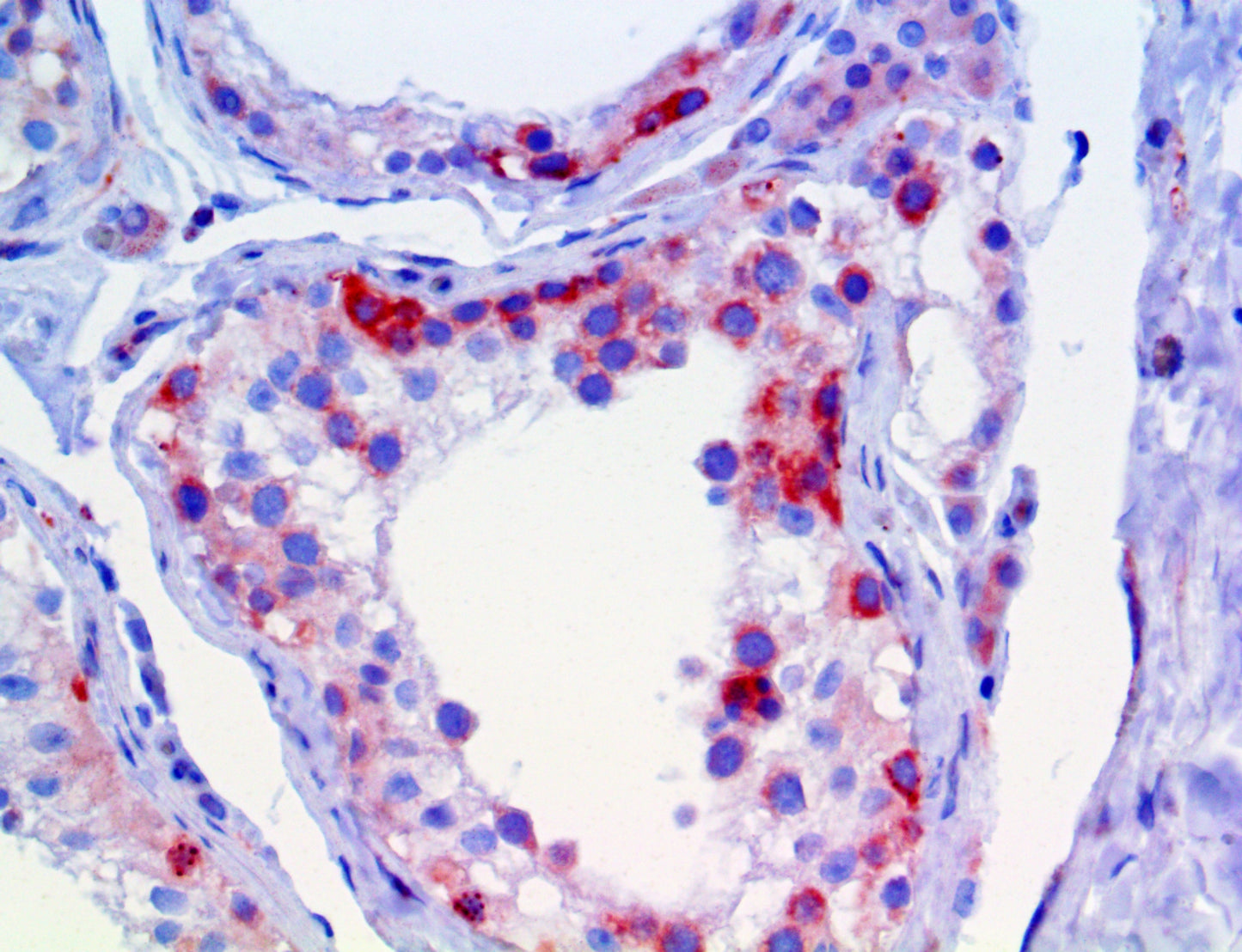
Summary & Explanation
{"type":"root","children":[{"type":"paragraph","children":[{"type":"text","value":"Lymphocyte-activation gene 3, also known as LAG-3 and designated as CD223, is a cell surface protein with diverse biologic effects on T cell function encoded by the LAG3 gene. The gene for LAG-3 lies adjacent to the gene for CD4 on human chromosome 12 (12p13) and is approximately 20% identical to the CD4 gene. LAG-3 is expressed on activated T cells, natural killer cells, B cells and plasmacytoid dendritic cells. The LAG-3 protein negatively regulates cellular proliferation, activation, and homeostasis of T cells, in a similar fashion to CTLA-4 and PD-1 and has been reported to play a role in Treg, regulatory T cells, suppressive function. LAG-3 also helps maintain CD8+ T cells in a tolerogenic state and, working with PD-1, helps maintain CD8 exhaustion during chronic viral infection. LAG-3 is known to be involved in the maturation and activation of dendritic cells."}]},{"type":"paragraph","children":[{"type":"text","value":"Studies have shown that LAG-3 is a prognostic indicator of poor treatment outcomes in chronic lymphocytic leukemia, has been associated with higher risk of multiple myeloma, may play a modulating role in autoimmune diabetes and has been identified in a subset of HIV-specific LAG-3(+) CD8(+) T cells that negatively correlated with plasma viral load. IHC studies have shown LAG-3 expression on lymphocytes scattered in renal cell carcinoma, melanoma and lymphomas."}]}]}
Antibody Type
Rabbit Monoclonal
Clone
EP294
Isotype
IgG
Localization
Cytoplasmic, Membranous
Dilution
1:10-1:50
Species Reactivity
Human
Immunogen
Synthetic peptide corresponding to residues of human LAG-3 (CD223) protein.