 US & Canada:
  Email:


 Access IFU & SDS
Summary & Explanation
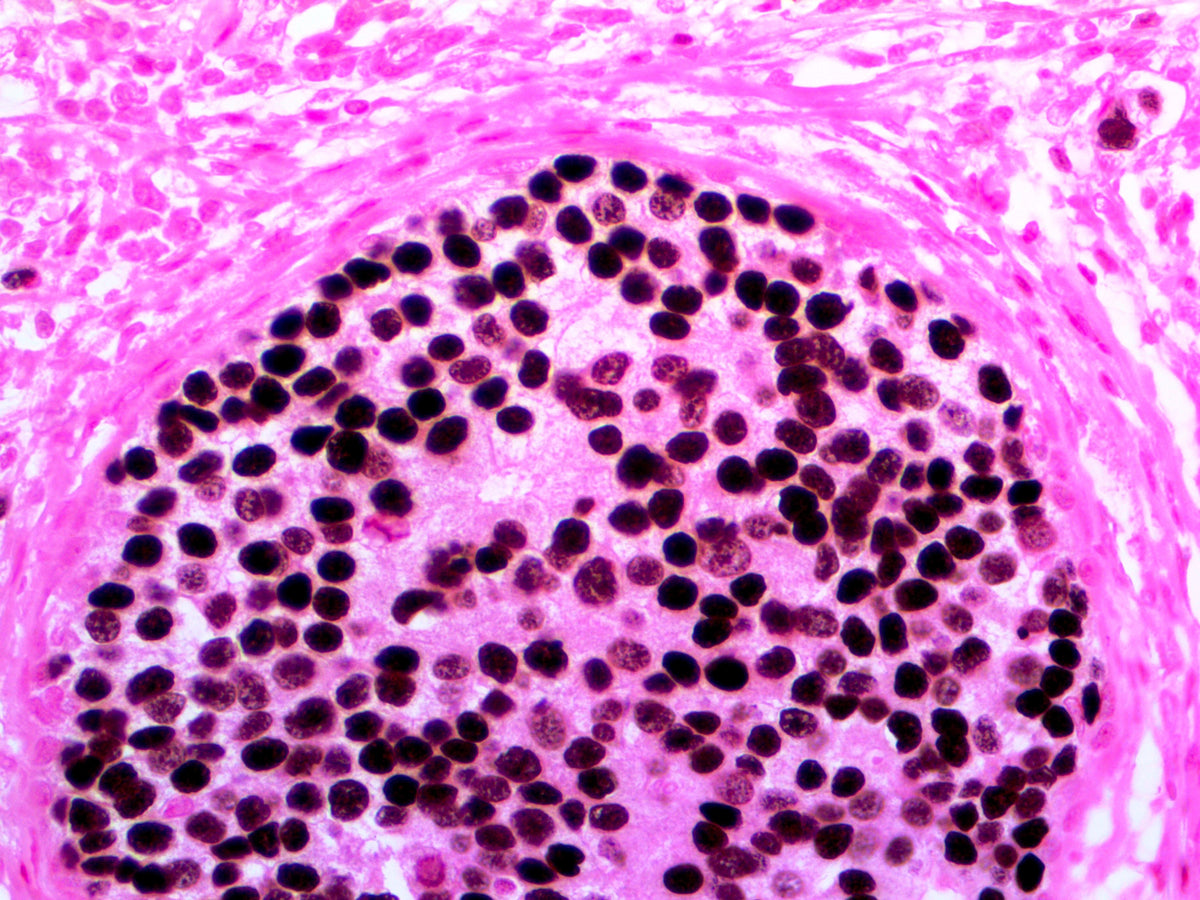
{"type":"root","children":[{"type":"paragraph","children":[{"type":"text","value":"Trans-acting T-cell-specific transcription factor, GATA-3 is, a protein that in humans is encoded by the GATA3 gene. GATA-3 b regulates luminal epithelial cell differentiation in the mammary gland, is an important regulator of T cell development and plays an important role in endothelial cell biology."}]},{"type":"paragraph","children":[{"type":"text","value":"GATA-3 is one of the three genes mutated in >10% of breast cancers. Nuclear expression of GATA-3 in breast cancer is considered a marker of luminal cancer in ER+ cancer and luminal androgen responsive cancer in ER-/AR+ tumors. It is highly coexpressed with FOXA1 and serves as negative predictor of basal subtype and HER-2 and is also considered a strong predictor of taxane and platin salts insensitivity."}]},{"type":"paragraph","children":[{"type":"text","value":"GATA3 expression is found in urothelial carcinoma, especially in invasive and high grade tumors. Therefore, anti-GATA3 can be used in a panel of antibodies for diagnosis of unknown primary carcinoma, when carcinomas of the breast or bladder are a possibility. Studies have also shown the utility of GATA-3 in differentiating urothelial carcinoma from prostate adenocarcinoma and squamous cell carcinomas of the uterine, cervix, anus and lung."}]}]}
Antibody Type
Rabbit Monoclonal
Clone
EP368
Isotype
IgG
Localization
Nuclear
Dilution
1:50-1:200
Species Reactivity
Human
Immunogen
Synthetic peptide corresponding to residues of human GATA3 protein.