 US & Canada:
  Email:


 Access IFU & SDS
Summary & Explanation
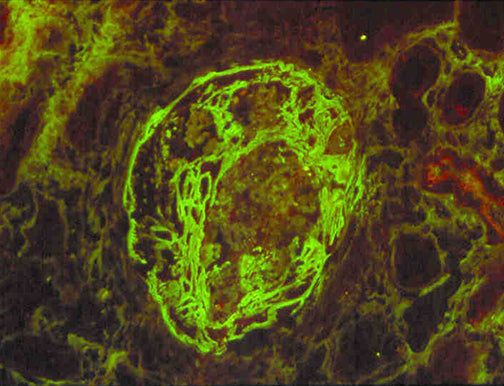
{"type":"root","children":[{"type":"paragraph","children":[{"type":"text","value":"Fibrinogen (factor I) is a glycoprotein that circulates in the blood of vertebrates. During tissue and vascular injury, it is converted enzymatically by thrombin to fibrin and subsequently to a fibrin-based blood clot. Fibrinogen functions primarily to occlude blood vessels and thereby stop excessive bleeding. Fibrin also mediates blood platelet and endothelial cell spreading, tissue fibroblast proliferation, capillary tube formation, and angiogenesis and thereby functions to promote tissue revascularization, wound healing, and tissue repair."}]},{"type":"paragraph","children":[{"type":"text","value":"Several disorders (Congenital afibrinogenemia, hypofibrinogenemia, Fibrinogen storage disease, Hereditary fibrinogen Aα-Chain amyloidosis, Congenital hypodysfibrinogenemia, Cryofibrinogenemia, acquired hypofibrinogenemia, Chronic Kidney Disease, etc.) in the quantity and/or quality of fibrinogen cause pathological bleeding, pathological blood clotting, and/or the deposition of fibrinogen in the liver, kidneys, and other tissues. Chronic kidney disease (CKD) patients have increased rates of bleeding as well as thrombosis. Fibrinogen and platelets combine to generate a mature clot, but in CKD platelets are dysfunctional."}]}]}
Antibody Type
Rabbit Polyclonal
Clone
Polyclonal
Isotype
IgG
Localization
Cytoplasmic
Dilution
1:25-1:100
Species Reactivity
Human
Immunogen
KLH conjugated synthetic peptide corresponding to the N-terminus of human FGA.