 US & Canada:
  Email:


 Access IFU & SDS
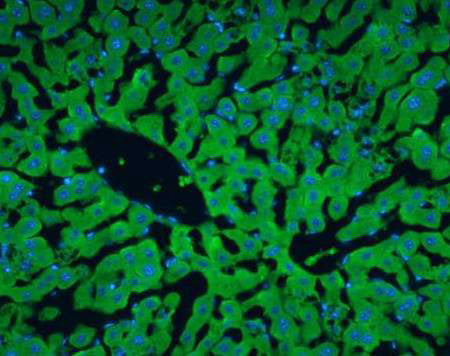
Summary & Explanation
{"type":"root","children":[{"type":"paragraph","children":[{"type":"text","value":"The albumins are a family of globular proteins, the most common of which are the serum albumins. Albumins are commonly found in blood plasma and differ from other blood proteins in that they are not glycosylated. Albumin functions primarily as a carrier protein for steroids, fatty acids, and thyroid hormones and plays a role in stabilizing extracellular fluid volume. Mutations in this gene on chromosome 4 result in various anomalous proteins."}]},{"type":"paragraph","children":[{"type":"text","value":"Low albumin (hypoalbuminemia) may be caused by liver disease, nephrotic syndrome, burns, protein-losing enteropathy, malabsorption, malnutrition, late pregnancy, artefact, genetic variations and malignancy. High albumin (hyperalbuminemia) is almost always caused by dehydration. In some cases of retinol (Vitamin A) deficiency, the albumin level can be elevated to high-normal values."}]},{"type":"paragraph","children":[{"type":"text","value":"It has been reported in systemic lupus erythematosus (SLE) patients an increased prevalence of IgG autoantibodies against human serum albumin (anti-HSA IgG) that are associated with SLE disease activity."}]}]}
Antibody Type
Rabbit Polyclonal
Clone
polyclonal
Isotype
IgG
Localization
Cytoplasmic, Membranous
Dilution
1:25-1:100
Species Reactivity
Human
Immunogen
Recombinant protein corresponding to the N-terminus of the human serum albumin protein.