 US & Canada:
  Email:


 Access IFU & SDS
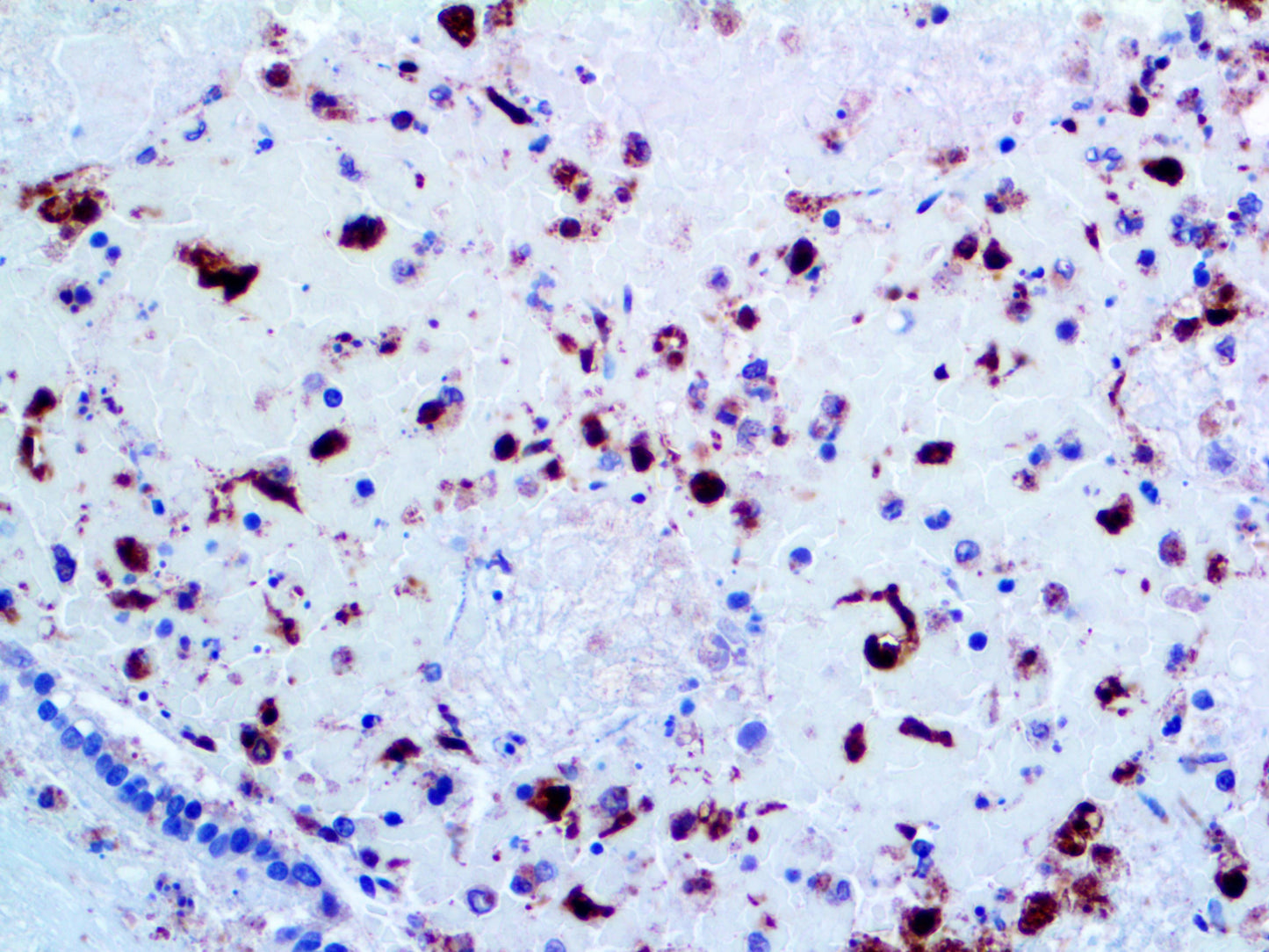
Summary & Explanation
{"type":"root","children":[{"type":"paragraph","children":[{"type":"text","value":"Herpes simplex virus I (HSV-I) is a strain of the Herpes virus family, Herpesviridae, which cause infections in humans. The double stranded DNA genome is contained within an icosahedral capsid embedded in a proteinaceous layer (tegument) and surrounded by a lipid envelope, derived from the nuclear membrane of the last host, which is decorated with virus-specific glycoproteins spikes."}]},{"type":"paragraph","children":[{"type":"text","value":"HSV I causes a contagious disease, also known as cold sore, night fever, or fever blister. After an initial, or primary, infection, HSV establishes latency, during which the virus is present in the cell bodies of nerves which innervate the area of original outbreak. Herpes symptoms may periodically recur in the form of outbreaks of herpetic sores near the site of original infection. HSV I usually infects the non-genital mucosal surfaces, and Type II typically involves the genitalia. Either type may affect the skin or internal organs (typically brain, lung, liver, adrenal gland, or GI tract) of immunocompromised individuals."}]}]}
Antibody Type
Mouse Monoclonal
Clone
10A3
Isotype
IgG1
Localization
Nuclear, Cytoplasmic
Dilution
1:50-1:200
Species Reactivity
Human
Immunogen
ICP8 purified from U-35-VERO cells.