 US & Canada:
  Email:


 Access IFU & SDS
Summary & Explanation
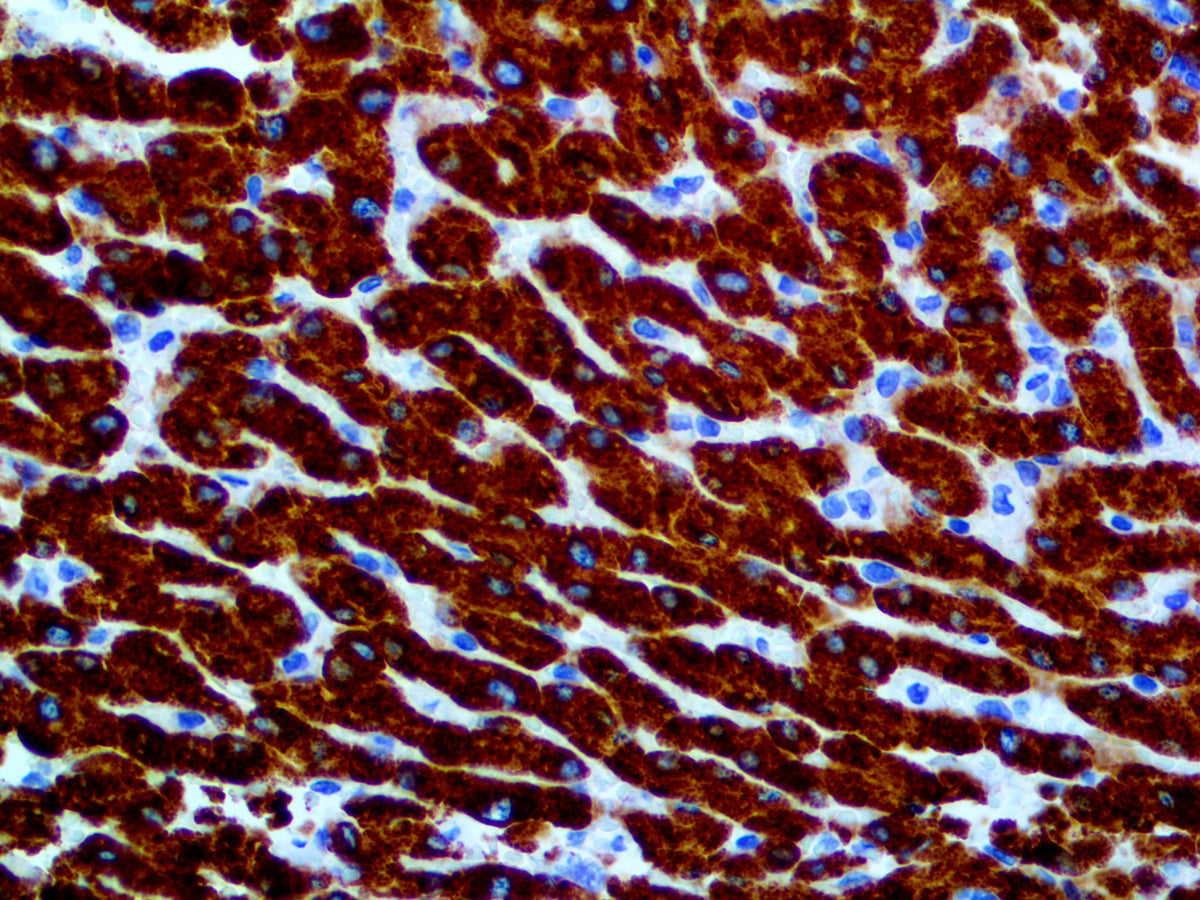
{"type":"root","children":[{"type":"paragraph","children":[{"type":"text","value":"Nitric oxide synthases (NOSs) are a family of enzymes catalyzing the production of nitric oxide (NO) from L-arginine. nitric oxide is an important cellular signaling molecule. It helps modulate vascular tone, insulin secretion, airway tone, and peristalsis, and is involved in angiogenesis and neural development. The inducible isoform, iNOS, is involved in immune response, binds calmodulin at physiologically relevant concentrations, and produces nitric oxide as an immune defense mechanism, as nitric oxide is a free radical with an unpaired electron. It is the proximate cause of septic shock and may function in autoimmune disease."}]},{"type":"paragraph","children":[{"type":"text","value":"The inducible isoform iNOS produces large amounts of nitric oxide as a defense mechanism. It is synthesized by many cell types in response to cytokines and is an important factor in the response of the body to attack by parasites, bacterial infection, and tumor growth. It is also the cause of septic shock and may play a role in many diseases with an autoimmune etiology. Induction of the high-output iNOS usually occurs in an oxidative environment, and thus high levels of nitric oxide have the opportunity to react with superoxide leading to peroxynitrite formation and cell toxicity. These properties may define the roles of iNOS in host immunity, enabling its participation in anti-microbial and anti-tumor activities as part of the oxidative burst of macrophages."}]}]}
Antibody Type
Rabbit Monoclonal
Clone
RBT-iNOS
Isotype
IgG
Localization
Cytoplasmic
Dilution
1:25-1:100
Species Reactivity
Human
Immunogen
Synthetic peptide corresponding to the N-terminus of the human iNOS protein.