 US & Canada:
  Email:


 Access IFU & SDS
Summary & Explanation
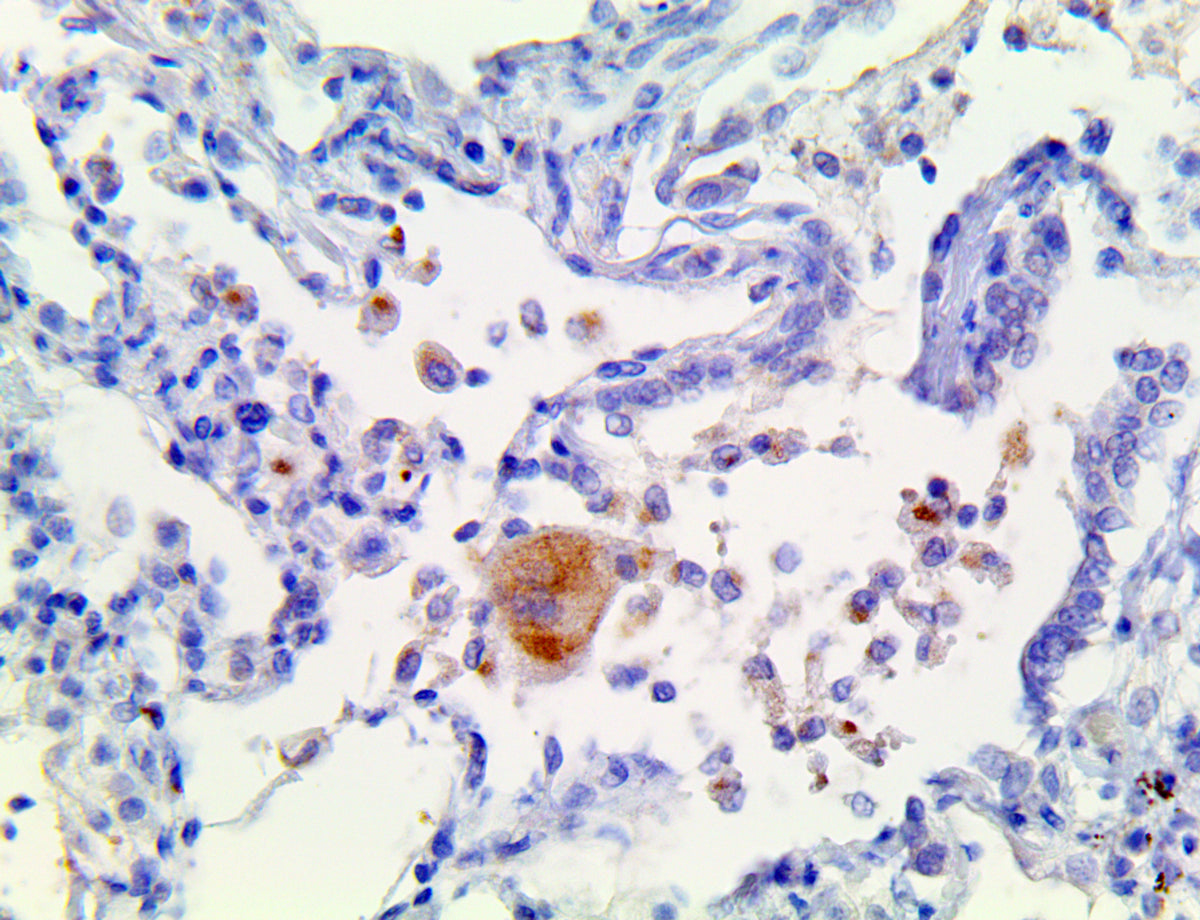
{"type":"root","children":[{"type":"paragraph","children":[{"type":"text","value":"Interleukin-6 is a cytokine that regulates inflammation pathways of the classic and trans-signaling cascades, often involved in metabolic, autoimmune and inflammatory conditions such as IgA nephropathy, lupus nephritis, and chronic kidney disease. The ligation of IL-6/IL-6R activates the JAK/STAT3 (cell survival and proliferation) and MAPK (cell growth and protein production) signaling pathways."}]},{"type":"paragraph","children":[{"type":"text","value":"IL-6 participates in autoimmune and inflammatory conditions such as arthritis, where it triggers the differentiation of CD4+ T cells into Th17 helper cells, suppresses differentiation into T regulatory cells, and prevents T helper apoptosis along with IL-2. IL-6 also induces differentiation of monocytes into macrophages and uses follicular T helper cells to induce B cell activation, upregulating IgG production. IL-6 is often found in immune tissues, podocytes, mesangial cells, endothelial and epithelial cells. Il-6 is important in cancer cell growth and suppression of the immune system in the tumor microenvironment, metastasis and renewal of cancer stem cells."}]}]}
Antibody Type
Mouse Monoclonal
Clone
BSB-140
Isotype
IgG2b
Localization
Membranous, Cytoplasmic
Dilution
1:50 - 1:200
Species Reactivity
Human
Immunogen
Recombinant protein corresponding to the IL-6 of human origin.