 US & Canada:
  Email:


 Access IFU & SDS
Summary & Explanation
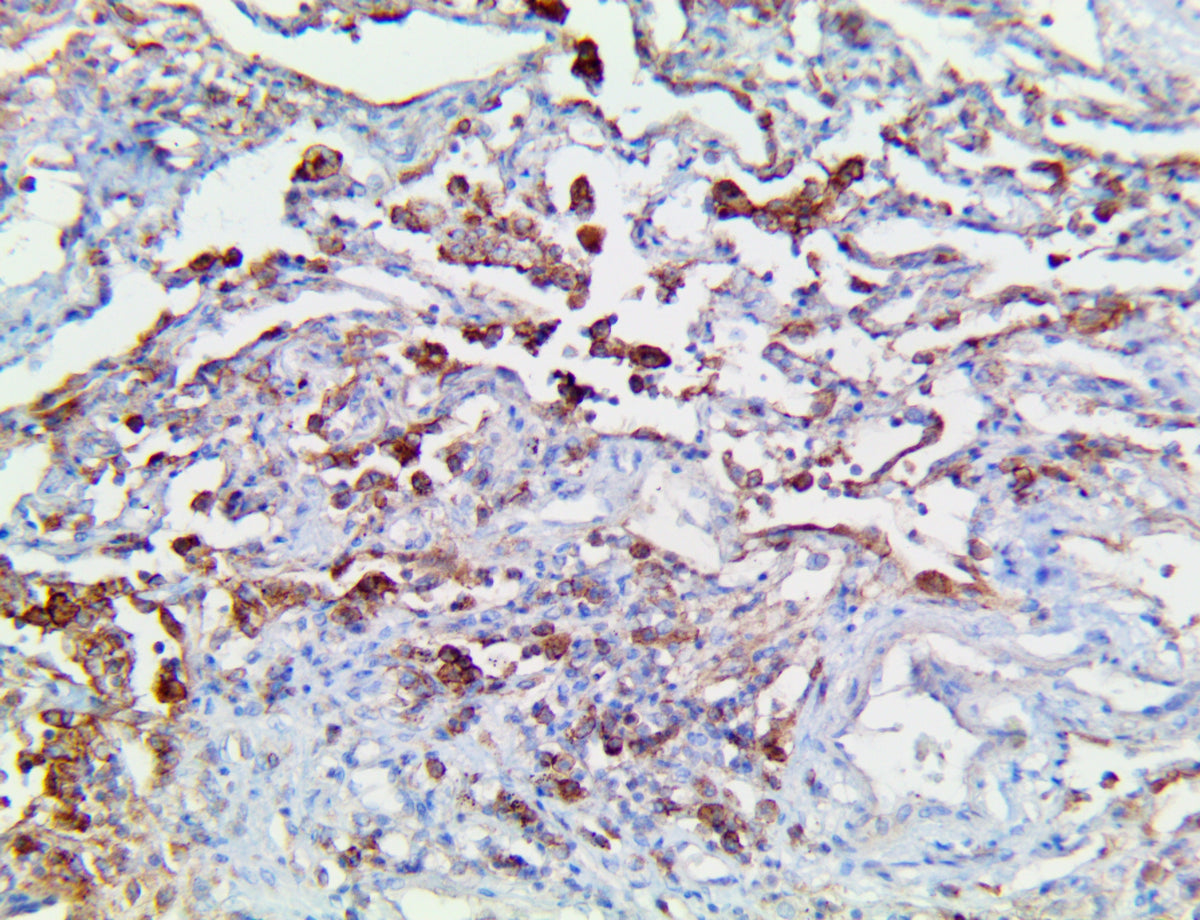
{"type":"root","children":[{"type":"paragraph","children":[{"type":"text","value":"CD147 is a transmembrane glycoprotein also known as Basigin or EMMPRIN (Extracellular Matrix Metalloproteinase Inducer), participating in tumor development and viral entry pathways. CD147 is a member of the immunoglobulin superfamily, upregulated in asthmatic, diabetic, and other inflammatory pathways where it induces expression of Matrix Metalloproteinase 1 and 9. CD147 and its effectors are induced by high-glucose concentration in monocytes and promote their migration. CD147 also participates in fibroblast differentiation through TGF-b1-induced signaling pathways, and is a marker of undifferentiated human embryonic stem cells."}]},{"type":"paragraph","children":[{"type":"text","value":"CD147 has been found to be upregulated in cancer stem cells, resulting in increased metabolism through lactic acid export, increased production of hyaluronan, inhibiting apoptosis, and acting as a main upstream stimulator of matrix metalloproteinases. In clinical studies, CD147 has been associated with larger tumors, deeper invasion, and more lymphocytes. CD147 also facilitates the entry of malaria parasite Plasmodium falciparum into red blood cells, and the entry of coronaviruses into human cells by binding the spike glycoprotein, functioning as the second receptor for SARS-CoV-2 and potential participant in pulmonary fibrosis."}]}]}
Antibody Type
Mouse Monoclonal
Clone
BSB-137
Isotype
IgG1
Localization
Membranous, Cytoplasmic
Dilution
1:50 - 1:200
Species Reactivity
Human
Immunogen
Recombinant protein corresponding to the extracellular domain of the human CD147 protein.