 US & Canada:
  Email:


 Access IFU & SDS
Summary & Explanation
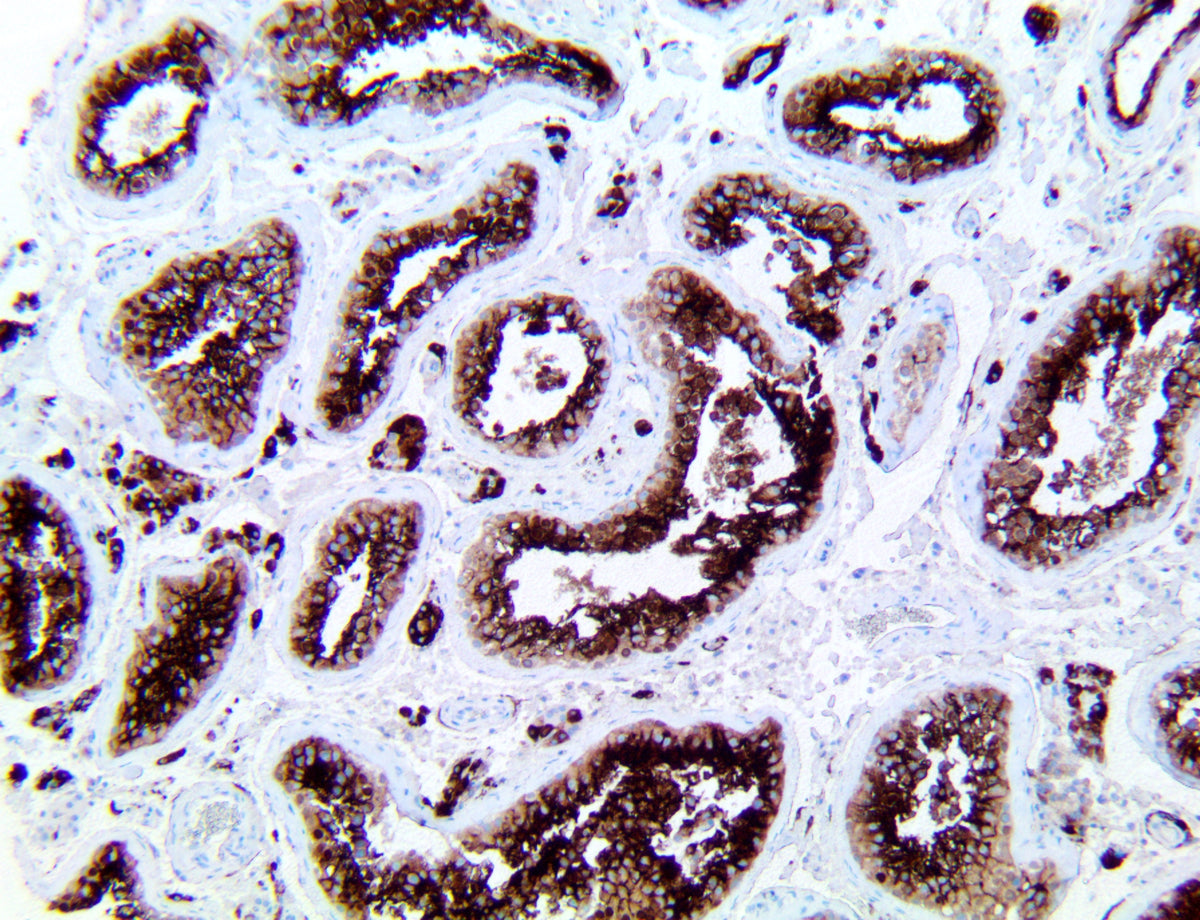
{"type":"root","children":[{"type":"paragraph","children":[{"type":"text","value":"Angiotensin Converting Enzyme 2 is a dipeptidyl carboxydipeptidase active in the renin-angiotensin pathway, which helps regulate cardiovascular and renal functions. ACE2 is a secreted protein that cleaves angiotensin I (AngI) into angiotensin 1-9, and angiotensin II (AngII) into vasodilator angiotensin 1-7. ACE2 is expressed in the heart and kidney, where it may counteract vasoconstriction by inactivating Ang II. It is also found in the Gastrointestinal tract, lungs, and testis, in endothelial cells and less in vascular smooth muscle cells. ACE2 can contribute to tumor inhibition by inactivating AngII, which has been found to participate in tumor proliferation, angiogenesis, and metastasis."}]},{"type":"paragraph","children":[{"type":"text","value":"ACE2 has shown inhibitory effects on lung, prostate, breast, and liver cancer through various signaling mechanisms, and its expression may be correlated with immune cell penetration into the tissue. ACE2 also functions as the main receptor for the spike glycoprotein of human coronaviruses HCoV-NL63, SARS-CoV and SARS-CoV-2."}]}]}
Antibody Type
Mouse Monoclonal
Clone
BSB-135
Isotype
IgG1
Localization
Membranous, Cytoplasmic
Dilution
1:25 -1:100
Species Reactivity
Human, Mouse, Rat
Immunogen
Synthetic Peptide corresponding the C-terminal of ACE2 of human origin.